
For most of a decade, freight brokers answered negligent-selection lawsuits with one argument before any other: federal preemption. The FAAAA bars states from regulating a broker's services, the argument went, and choosing a carrier is the service. Some circuits agreed. Some didn't. The industry lived inside that split.
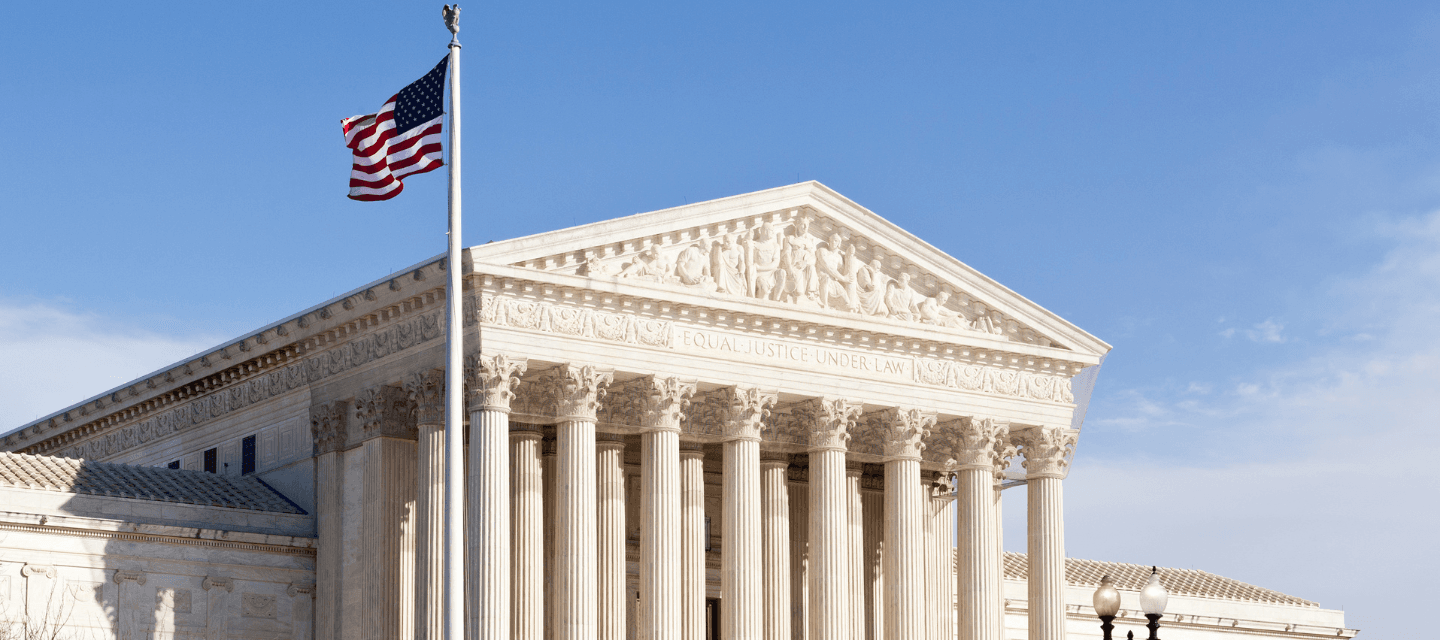
On May 14, 2026, it ended. In Montgomery v. Caribe Transport II, LLC, the Supreme Court held 9–0 that state-law negligent-hiring claims against freight brokers are not preempted, because they fall within the FAAAA's safety exception — the clause preserving state authority "with respect to motor vehicles." Justice Barrett wrote the opinion. The Seventh Circuit, which had protected brokers, was reversed, and the claim against the broker in the case — C.H. Robinson — was allowed to proceed.
What the case was about
The suit arose from a 2017 Illinois highway crash involving a carrier the broker had selected. The injured plaintiff sued the driver, the carrier, and the broker — the broker on the theory that it negligently selected an unsafe carrier. The question the Court answered wasn't whether the broker was negligent. It was whether state courts are even allowed to ask.
They are. That's the whole holding, and it's enough to change how every brokerage in the country has to think about carrier selection.
What did not change
Read the ruling for what it doesn't say, because the panic version circulating in some corners is wrong.
The Court did not create a new tort. Negligent-hiring law has existed for decades; brokers were shielded from it in some circuits, and now they aren't anywhere. The Court did not impose strict liability — the standard is ordinary reasonable care, and a plaintiff still has to prove breach and causation. And Justice Kavanaugh's concurrence, joined by Justice Alito, went out of its way to frame the ruling narrowly: brokers who use reasonable carrier-selection procedures and contract with reputable carriers should remain well-positioned to defend these claims.
What changed completely
The location of the fight. Before Montgomery, a broker could often win at the motion stage without anyone examining its vetting. After Montgomery, the case gets to the question the industry has avoided litigating at scale: was the selection reasonable? — and the answer will be read out of the broker's own records. What did you check before tendering? What did the FMCSA data show that day? Who approved the carrier, against what standard? Firms advising brokers after the ruling are saying the same thing in different words: carrier onboarding documentation just became litigation evidence.
Which means the ruling isn't really a litigation story. It's an operations story. The brokerages that treat vetting as a documented, consistent, evidence-producing process were handed a defense by the concurrence itself. The ones that treat it as a glance at a status page were handed a target.
That evidence-producing process is precisely what Dollar Traq was built to be: every check Sentinel runs — authority, safety, insurance, identity — is logged with the government record behind it, per carrier, per date, retrievable when someone asks what you knew and when. After Montgomery, that's not a productivity feature. That's the file your defense counsel opens first.
This article is general information about a public court decision, not legal advice — talk to your transportation counsel about your specific exposure.